DISTRIBUTON PANEL
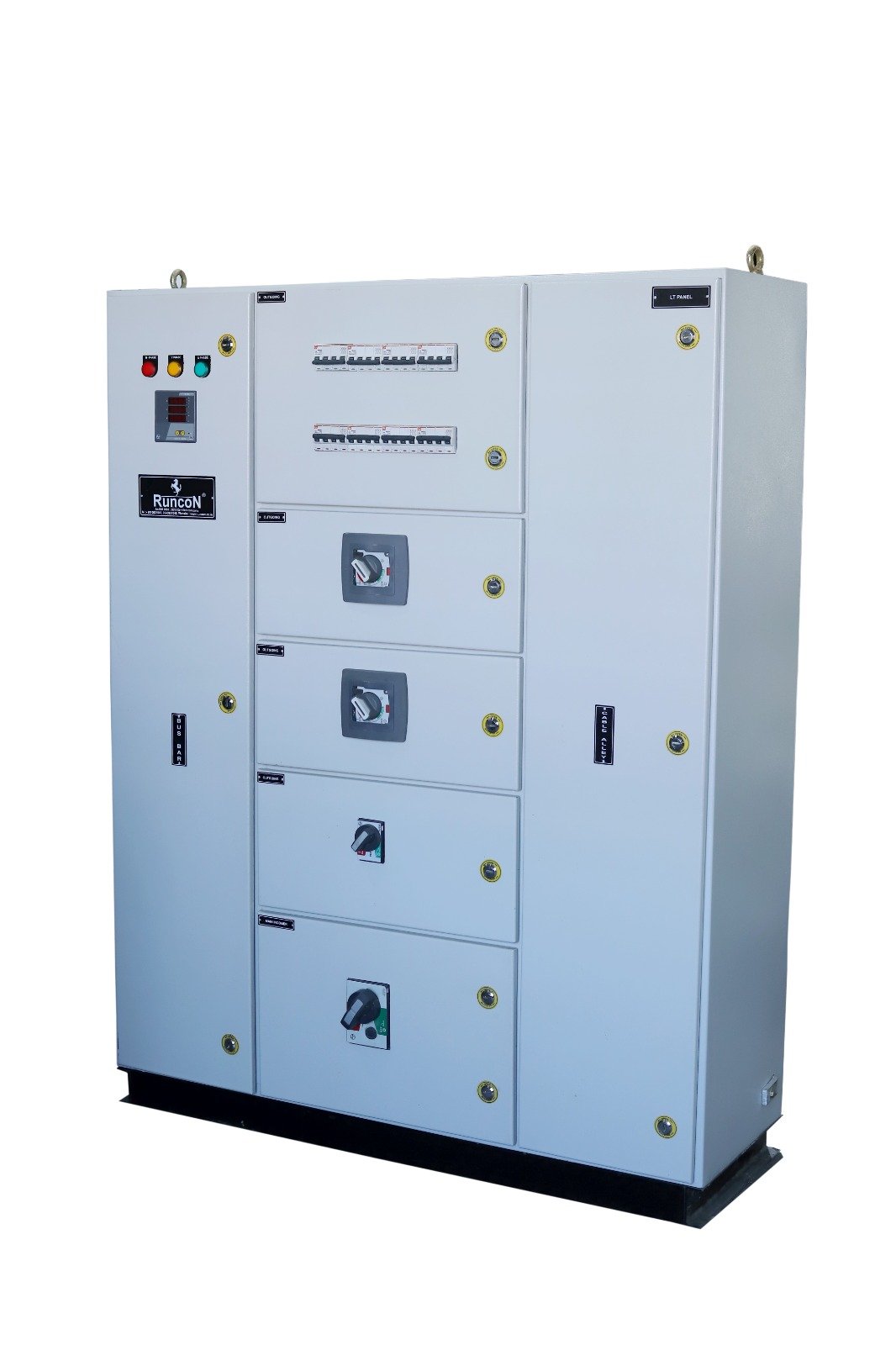
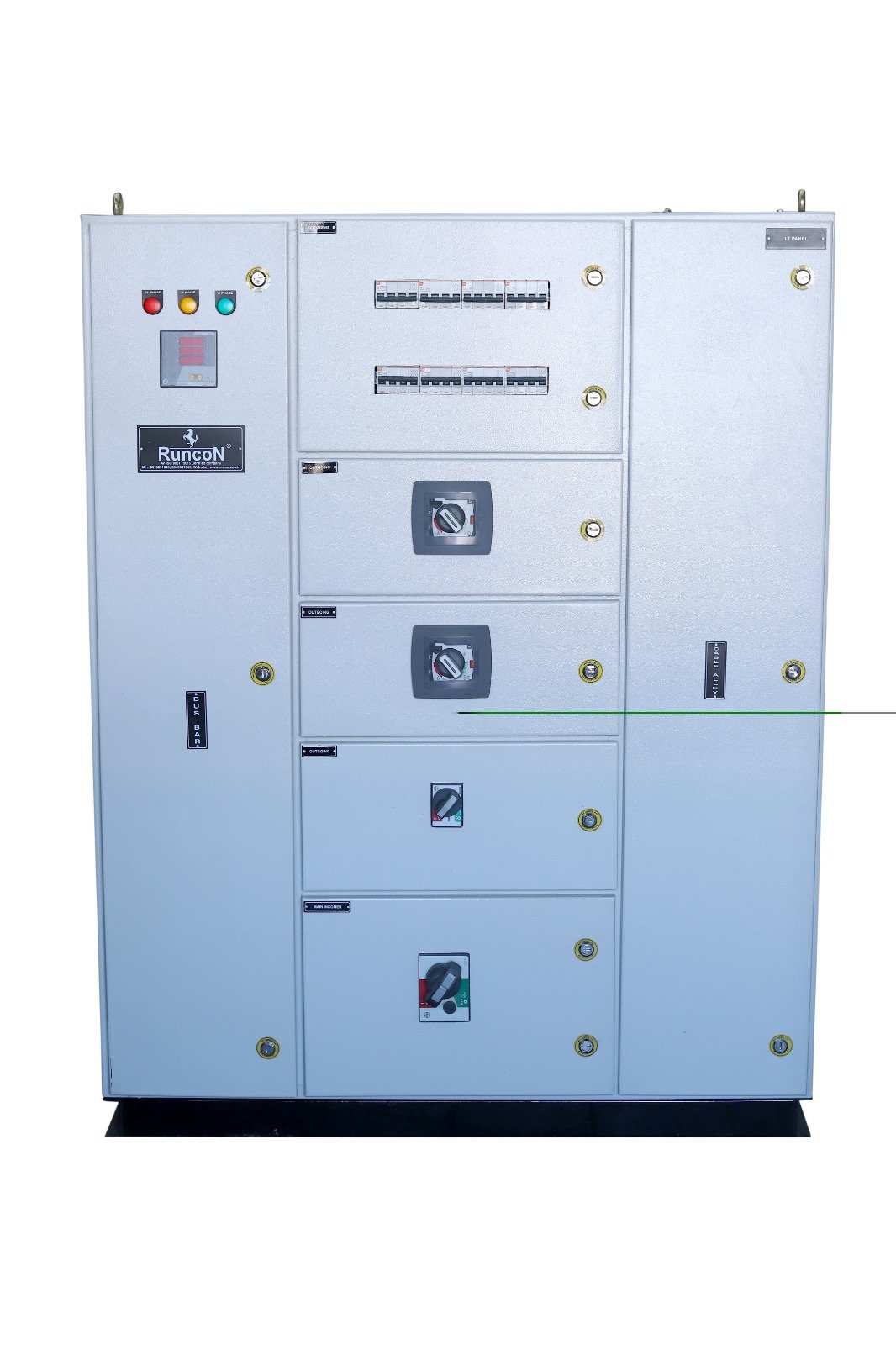
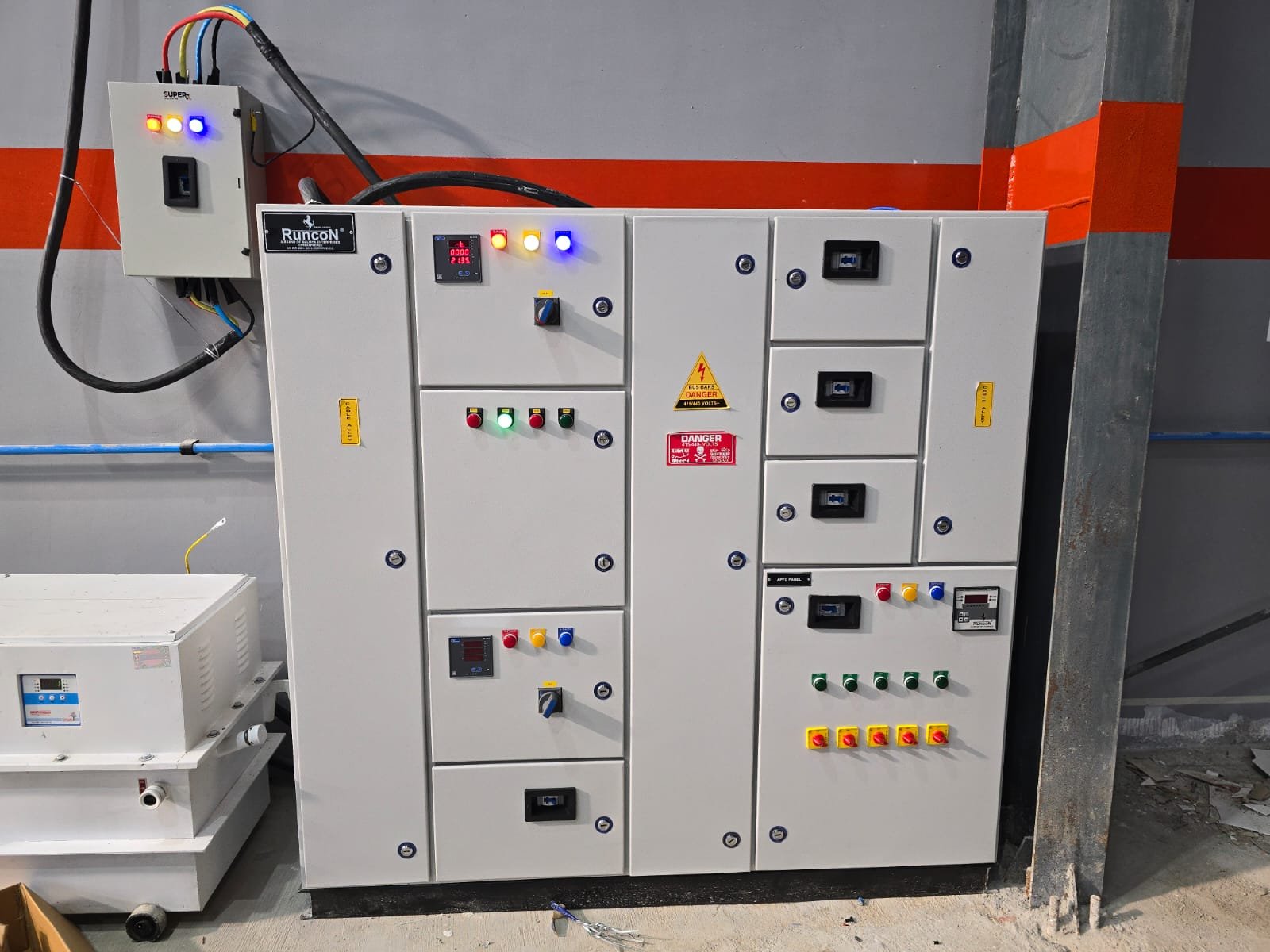
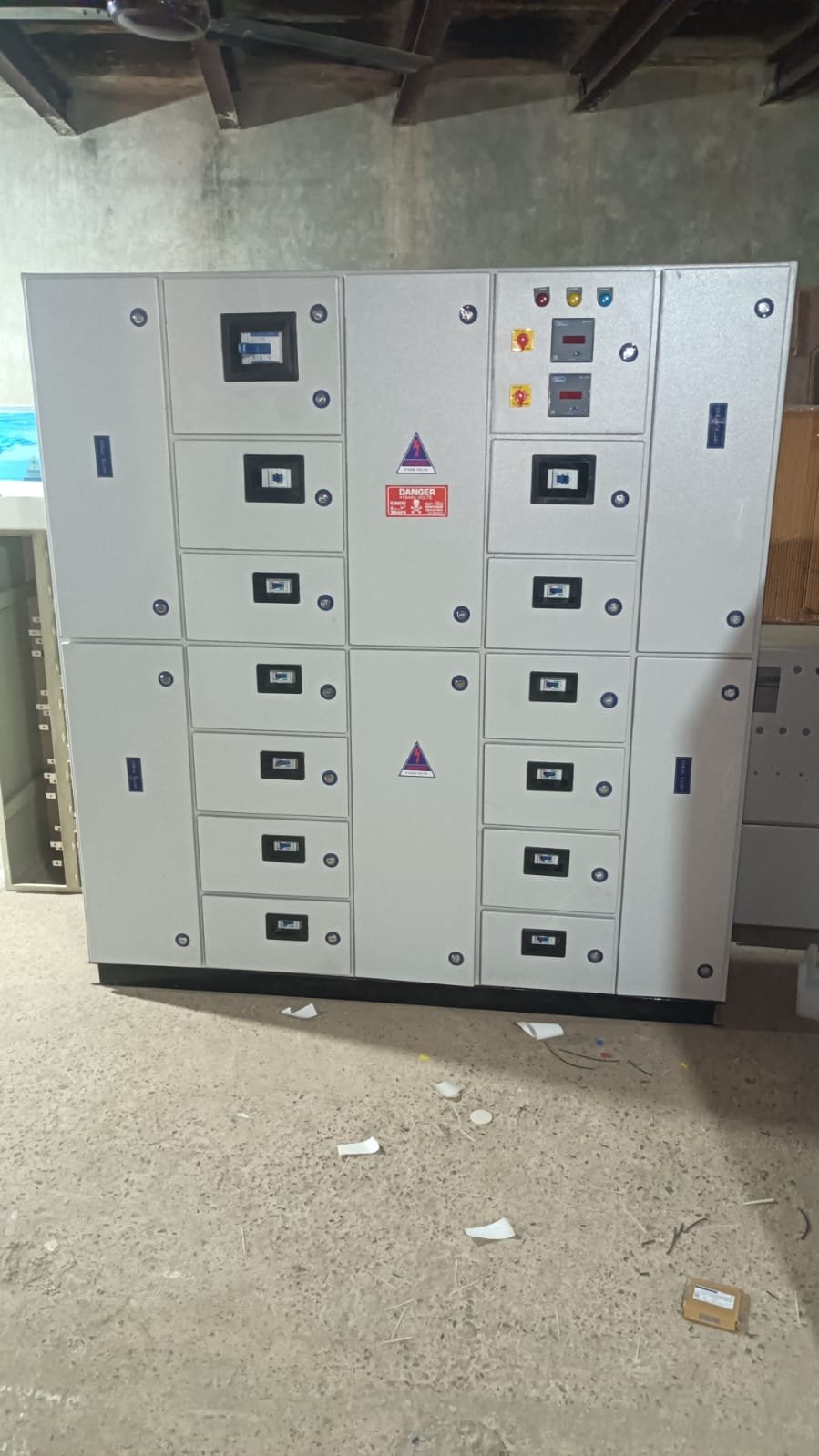
RuncoN distribution panel, also known as a distribution board or panelboard, is a crucial component in an electrical system. It serves as a centralized hub that distributes electrical power from the main supply to various circuits within a building or facility. It also protects the electrical system by incorporating protective devices such as circuit breakers or fuses.
Key Components of a Distribution Panel:
- Main Breaker: Acts as the central switch to disconnect power supply to the entire panel. It also provides overcurrent protection.
- Bus Bars: Conductors inside the panel that distribute power to individual circuit breakers.
- Circuit Breakers: Protect circuits from overloads and short circuits by disconnecting the power when necessary.
- Neutral Bus Bar: Provides a connection point for the neutral wires from the circuits.
- Grounding Bus Bar: Ensures the electrical system is properly grounded to avoid electrical hazards.
- Enclosure: A metal or plastic box that houses the components and provides protection.
Types of Distribution Panels:
- Main Distribution Panel (MDP): The primary panel that receives power from the utility and distributes it to sub-panels or directly to circuits.
- Sub-Panel: Used to distribute power to a specific area or load when the main panel cannot handle all circuits.
- Lighting Panel: Dedicated to lighting circuits.
- Power Distribution Panel: Handles high-power equipment like industrial machines.
Functions:
- Power Distribution: Ensures even distribution of electrical power across circuits.
- Circuit Protection: Prevents damage to circuits and connected devices during faults.
- Safety: Protects users from electrical shocks and hazards.
- Isolation: Allows individual circuits to be isolated for maintenance or troubleshooting.
Applications:
- Residential homes
- Commercial buildings
- Industrial facilities
- Data centers
- Hospitals
Best Practices for Distribution Panels:
- Load Balancing: Ensure even distribution of electrical loads across circuits.
- Regular Maintenance: Periodically inspect and test the panel for safety and efficiency.
- Proper Labeling: Label each circuit for easy identification during troubleshooting.
- Upgrading Capacity: Replace or upgrade panels if the load demand exceeds their capacity.SSSS